
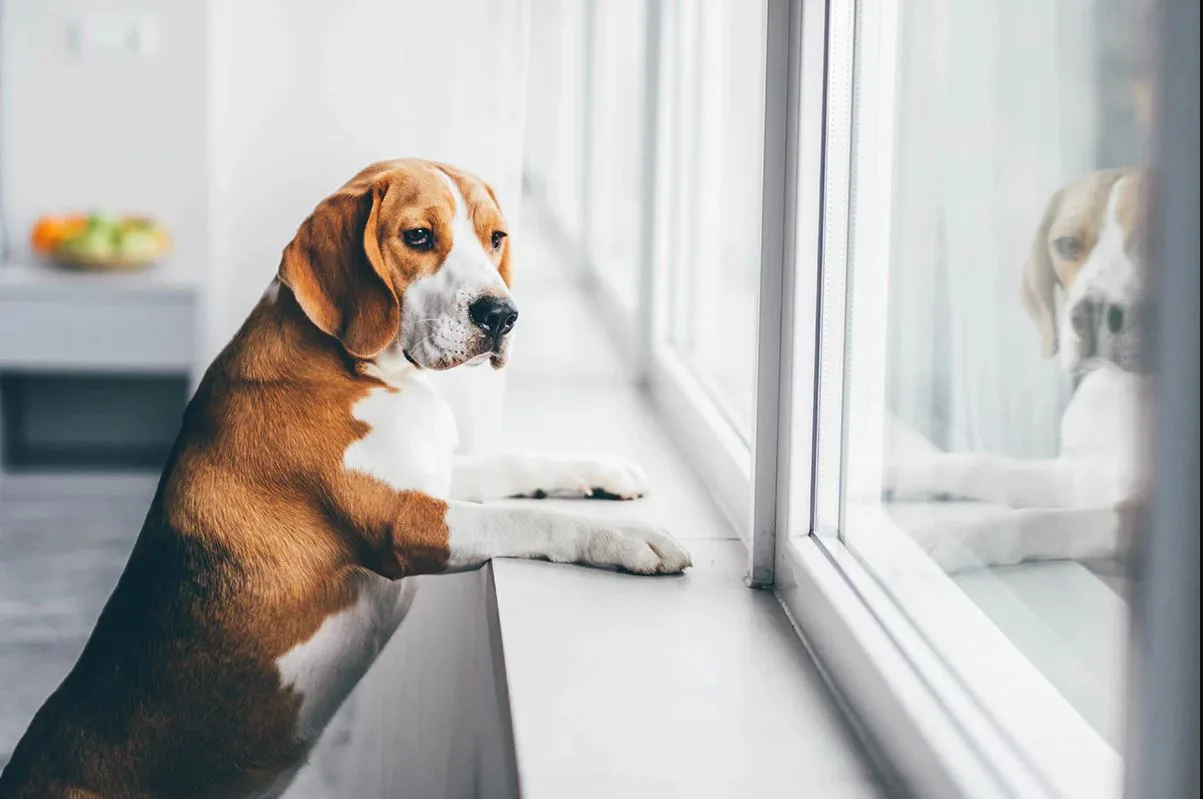
Understanding Your Pet’s Emotional World and Finding Solutions That Truly Help
You’re running late for work, grabbing your keys, and there they are, those eyes. Your dog’s tail drops, your cat positions herself strategically by the door, and suddenly your heart sinks. The guilt washes over you as you wonder: are they lonely? Will they spend the entire day sad and waiting? Am I a terrible pet parent for leaving them?
If you’ve ever felt this pang of guilt, you’re far from alone. Millions of pet owners worldwide struggle with the emotional weight of leaving their beloved companions at home while they go about their daily lives. It’s a uniquely modern dilemma, our pets are family members with complex emotional needs, yet our lives require us to be away for hours at a time.
But here’s what many pet owners don’t realise: the question isn’t just whether your pet experiences loneliness, it’s whether they have the tools, environment, and autonomy to cope with your absence in healthy ways. The difference between a pet who suffers when you’re gone and one who thrives independently often comes down to surprisingly simple environmental factors.
This isn’t about working less or never leaving your pet. It’s about understanding their emotional landscape and creating conditions where they can feel secure, stimulated, and content, even when you’re not there. The solutions might be simpler than you think, and the transformation more profound than you’d imagine. Have you ever thought about pet door solutions?
Understanding Pet Loneliness: What Science Tells Us
The Social Nature of Dogs and Cats
Dogs evolved alongside humans for thousands of years, developing into deeply social creatures who form strong attachment bonds. Unlike their wolf ancestors who live in packs, domestic dogs have adapted to view humans as their primary social group. This evolutionary history means dogs genuinely need social connection, they’re hardwired for it.
Cats, despite their reputation for independence, are also social animals, though their social needs manifest differently. Wild cat species are largely solitary, but domestic cats have adapted to living in social groups, particularly when resources are abundant. Your cat’s desire for companionship is real, even if it’s expressed in more subtle ways than a dog’s obvious neediness.
The key distinction: both species can experience genuine distress when isolated, but they also possess the capacity for healthy independence when their environment supports it.
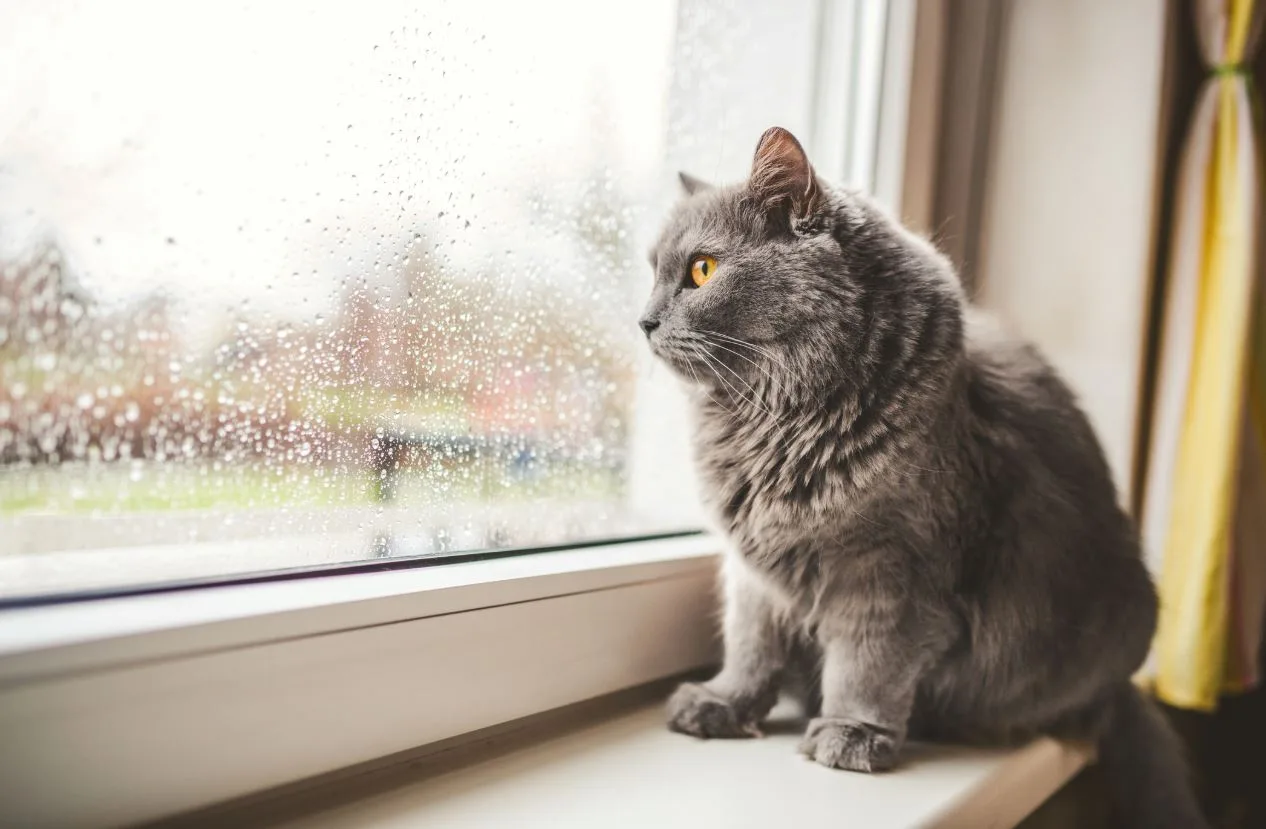
Loneliness vs. Boredom vs. Separation Anxiety
Pet owners often lump together various forms of distress, but understanding the differences is crucial for finding effective solutions.
Loneliness is the distress of social isolation, the feeling of missing companionship and connection. A lonely pet wishes for interaction but can generally function in your absence if other needs are met.
Boredom is the distress of insufficient mental stimulation, the frustration of having nothing engaging to do. Bored pets have unexpended mental energy seeking outlets, often in destructive ways.
Separation anxiety is a clinical condition where pets experience panic and extreme distress when separated from their attachment figures. This goes beyond simple loneliness and often requires professional intervention.
Many pets experience a combination of these states, and the symptoms can overlap, making it challenging to identify the root cause. A pet who destroys furniture might be anxious, bored, lonely, or all three simultaneously.
Signs Your Pet May Be Struggling
In Dogs:
- Excessive vocalisation (barking, howling, whining when alone)
- Destructive actions focused near exits or windows
- House soiling despite being fully trained
- Following you obsessively from room to room when you’re home
- Excessive excitement or distress at your departures and arrivals
- Depression, lethargy, or loss of appetite
- Repetitive actions like pacing or circling
In Cats:
- Excessive vocalisation, especially crying or yowling
- Inappropriate elimination outside the litter box
- Over-grooming leading to bald patches or skin irritation
- Destructive scratching focused on doors or windows
- Changes in eating patterns (gorging when you return or appetite loss)
- Excessive clinginess when you’re home
- Aggression or irritability after periods alone
Importantly, not all pets display obvious signs. Some suffer quietly, withdrawing rather than acting out. Changes in your pet’s baseline temperament, no matter how subtle, deserve attention.
The Confinement Factor: How Environment Amplifies Distress
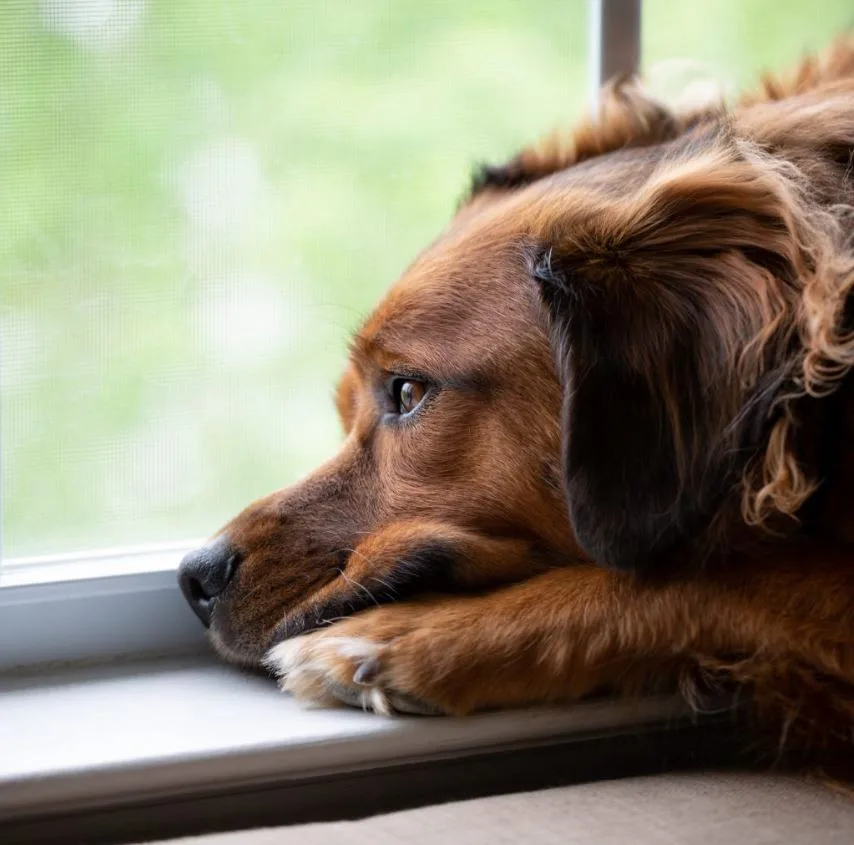
Here’s what many pet owners overlook: it’s not just your absence that affects your pet, it’s the combination of your absence and environmental restriction. A pet confined to a single room or small space experiences compounded stress that intensifies feelings of loneliness and boredom.
The Psychological Impact of Restriction
Imagine being confined to a single room of your home for eight hours with nothing new to look at, no change in scenery, no ability to move between spaces based on temperature preference or mood. The walls would close in pretty quickly, wouldn’t they? This is the daily reality for many pets.
Environmental restriction creates learned helplessness, a psychological state where animals (and humans) stop trying to change their circumstances because they’ve learned nothing they do matters. Pets in this state often appear “well-behaved” simply because they’ve given up seeking stimulation or relief.
Restriction also intensifies separation distress. When pets have no ability to seek comfort, explore alternative spaces, or engage with varied stimuli, your absence becomes the sole focus of their attention. Every minute stretches longer when there’s nothing else to think about or do.
The Natural Need for Territory and Exploration
Dogs are territorial by nature, with an instinctive drive to patrol and monitor their domain. Cats are even more intensely territorial, with complex spatial needs that include vertical territory, hiding spots, and lookout points. When we restrict access to these territories, we’re fighting against deep biological imperatives.
A dog who can move between indoor and outdoor spaces satisfies the instinct to monitor territory. A cat with access to varied environments, including safe outdoor observation points, fulfils natural surveillance impulses. These aren’t luxuries, they’re fundamental psychological needs.
The Autonomy Solution: Why Independence Reduces Loneliness
This might seem counterintuitive, but giving pets more independence and autonomy often reduces loneliness rather than increasing it. Here’s why: autonomy creates agency, the sense that one has control over their environment and can meet their own needs. Agency is one of the most powerful antidotes to distress.
Choice and Control in Pet Psychology
Research consistently shows that animals who have choices about their environment experience lower stress levels. The ability to move between spaces, seek preferred temperatures, access varied stimulation, and self-regulate activity creates psychological resilience.
Think about the difference between these scenarios: a dog confined indoors who needs the toilet but must wait helplessly for your return experiences building stress and discomfort. A dog with pet door access simply goes outside, relieves themselves, and returns, no stress, no distress, no learned helplessness.
The same principle applies to stimulation seeking. A cat trapped indoors watching birds through a window experiences frustration, the prey is right there but unreachable. A cat who can access a secure outdoor space like a catio experiences the satisfaction of being closer to the action, investigating scents, and fulfilling instinctive drives.
Environmental Enrichment Through Access
Outdoor access, when safe and appropriate, provides enrichment impossible to replicate indoors. Different sounds, varied visual stimulation, changing weather and light conditions, diverse scents and textures, opportunities for natural activities like digging, climbing, or sunbathing, all create a rich sensory environment that occupies your pet’s mind and time.
A pet with access to this enrichment doesn’t sit pining for your return. They’re engaged with their environment, investigating changes from yesterday, monitoring their territory, seeking comfortable resting spots, and generally living a full life that includes but doesn’t revolve entirely around human presence.
Building Confidence and Independence
Pets who can meet their own basic needs (bathroom access, environmental variety, stimulation) develop greater confidence and independence. This doesn’t mean they love you less, it means they’re secure enough to function well in your absence.
This confidence reduces attention-seeking behaviour, destructive activities driven by frustration, and stress-related health issues. In short, independent pets are happier pets, and happier pets make for less guilty, less stressed pet owners.
Creating the Right Environment for Independent Contentment
Safe Outdoor Access: The Game-Changer
For many pets, safe outdoor access is the single most impactful change you can make to reduce loneliness and boredom during your absence. This doesn’t mean unsupervised roaming, it means controlled access to secure outdoor spaces where pets can satisfy natural instincts safely.
For dogs, this might be a fully fenced backyard where they can patrol, investigate scents, lie in the sun, or play with toys. For cats, secure outdoor spaces like enclosed patios (catios), fully fenced yards with cat-proof barriers, or supervised outdoor time provide similar benefits without the risks of free roaming.
The key is security and control. Outdoor access must be truly safe, with no escape routes, protection from other animals, and appropriate boundaries.
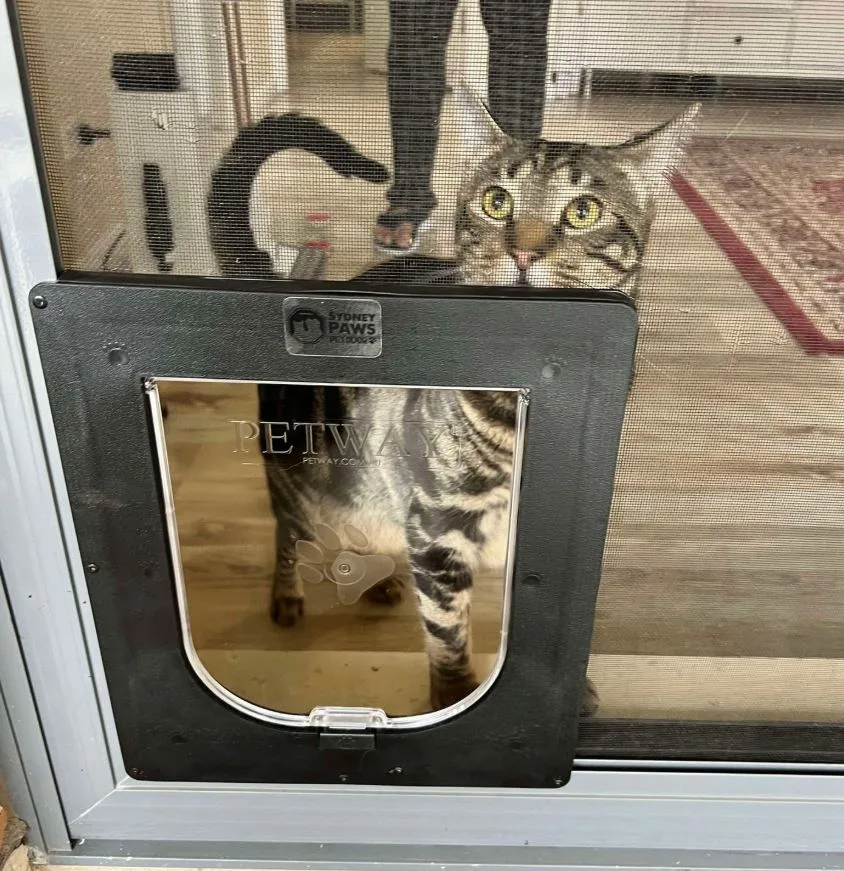
Microchip Pet Doors: Autonomy with Security
Traditional pet doors provide access but lack control, potentially allowing neighbourhood animals into your home or letting your pet out during unsafe times. Microchip pet doors solve this by reading your pet’s unique identification chip and granting access only to authorised animals.
For pet owners worried about loneliness, microchip doors offer the perfect balance: your pet has freedom to move between spaces based on their needs, while you maintain complete control over when that access is available. Programme daytime access while you’re working, then lock the door for overnight security. Allow your dog out but prevent the neighbour’s cat from entering. Give multiple pets different access levels based on their individual needs.
This technology transforms the leaving-your-pet experience. Instead of confining them to wait helplessly for your return, you’re giving them agency, choices, and environmental richness that keep them engaged and content.
Multi-Pet Households: Social Support Systems
If loneliness is a concern, having multiple pets can provide companionship during your absence. Dogs are pack animals and often do better with another dog companion. Cats, despite their independent reputation, frequently benefit from feline companionship, especially if properly introduced.
However, multiple pets aren’t a universal solution. Personality compatibility matters enormously, and poorly matched pets can increase stress rather than reduce it. Additionally, multiple pets amplify the need for space, resources, and environmental complexity.
Microchip pet doors with selective entry features become invaluable in multi-pet households, allowing you to manage territory and reduce conflict. You can give one pet outdoor access while keeping another inside, provide escape routes for timid pets avoiding more dominant housemates, and manage feeding areas by controlling which pets access which spaces.
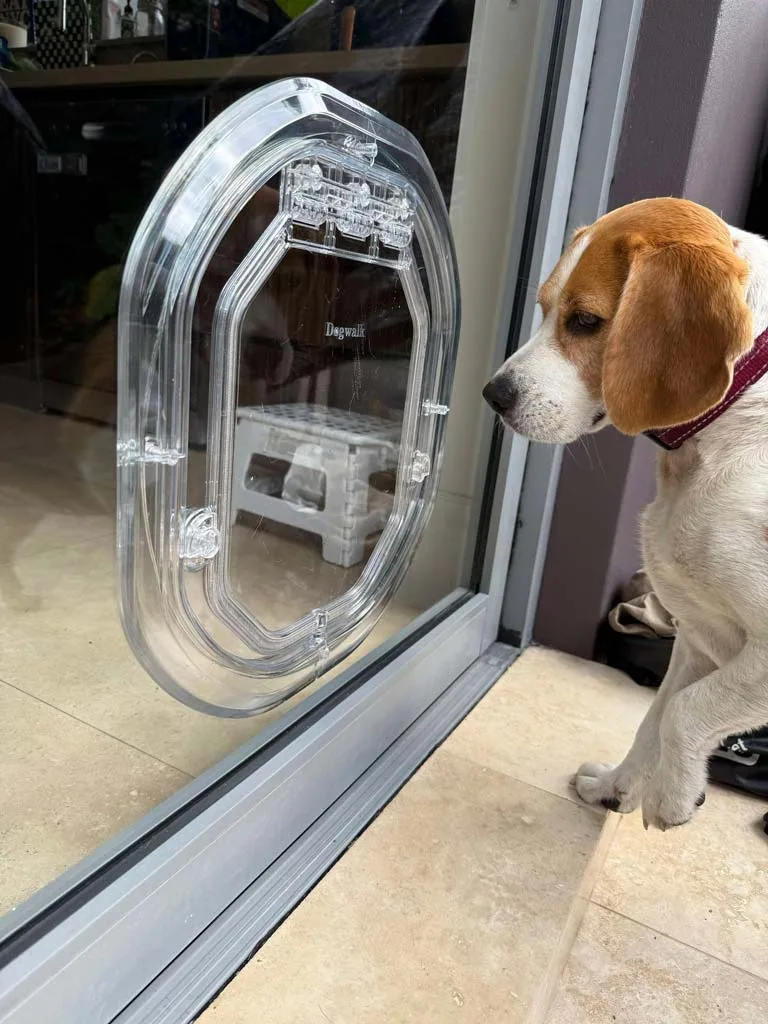
Our team specialises in dog doors for glass doors and installation in modern homes.
Indoor Enrichment: Complementary Solutions
Even with outdoor access, indoor enrichment remains important. Puzzle feeders and treat-dispensing toys, comfortable resting spots in varied locations, window perches for observation, interactive toys and rotating selection, safe hiding spots, and background noise (TV, radio, or pet-specific programming) all help create an engaging indoor environment.
The goal isn’t choosing between indoor and outdoor enrichment, it’s combining them to create a comprehensive environment where your pet has multiple options for engagement and comfort.
Addressing Common Concerns About Pet Door Access
“Won’t My Pet Be Safer Confined Indoors?”
Safety is absolutely paramount, and this is a legitimate concern. The solution isn’t choosing between safety and freedom, it’s creating safe outdoor spaces where freedom can exist without risk.
Secure fencing, enclosed patios, supervised outdoor time, and microchip doors that control when access is available all create safety within freedom. A pet with access to a secure backyard during daylight hours faces minimal risk while gaining enormous psychological benefits.
Compare the risks: confined pets face higher rates of obesity, anxiety disorders, destructive patterns, and stress-related health issues. Safe outdoor access, properly managed, typically reduces overall health risks rather than increasing them.
“What About Bad Weather?”
This is where pet autonomy truly shines. With pet door access, your pet chooses whether to go outside based on weather conditions. Don’t want to be in the rain? Stay inside. Love rolling in snow? Head out for a few minutes then return.
Pets are remarkably good at regulating their own comfort when given choices. They won’t stay outside in miserable conditions, but they will make quick trips for bathroom needs or brief exploration, then return to indoor comfort.
“Will They Forget About Me?”
This fear is understandable but unfounded. Increasing your pet’s independence doesn’t reduce their bond with you, it typically strengthens it. Pets who aren’t frustrated, anxious, or distressed during your absence are happier to see you return and more balanced in their attachment.
Healthy independence creates secure attachment, where your pet is confident you’ll return and can occupy themselves in the meantime. Dependent, anxious attachment creates the desperate, stressed responses many owners find heartbreaking.
Your pet won’t love you less because they can meet their own needs. They’ll love you more because they’re not associating you with restriction and frustration.
“What If Neighbourhood Animals Enter?”
Microchip pet doors eliminate this concern entirely. Only animals with registered microchips can enter, meaning the neighbourhood cat can’t follow your cat inside, and possums or other wildlife can’t access your home.
This security feature is particularly important for cat owners, as unauthorised feline visitors create tremendous stress for resident cats, even if they never physically interact.
The Emotional Benefits for Pet Owners
Let’s address the human side of this equation, because your wellbeing matters too.
Reduced Guilt and Anxiety
The guilt of leaving your pet is genuine and can significantly impact your quality of life. When you know your pet has options, freedom, and environmental richness during your absence, that guilt transforms into peace of mind.
You’re not leaving them trapped and waiting. You’re leaving them in an environment where they can meet their needs, seek comfort, and engage with their world. This shift in perspective reduces the emotional burden many pet owners carry.
Improved Pet Relationships
Pets who aren’t frustrated or distressed during your absence are more pleasant companions when you’re home. Reduced destructive actions, less attention-seeking behaviour, calmer greetings, and more balanced attachment all contribute to more enjoyable, relaxed time together.
Your relationship improves when both parties have their needs met, and your pet’s need for autonomy and environmental complexity is as valid as your need to work and live your life.
Better Work-Life Integration
When you’re not worried about rushing home to let your pet out or feeling guilty about your work schedule, you can engage more fully with your professional life. This doesn’t mean neglecting your pet, it means creating sustainable systems where both your life and your pet’s life can flourish.
Professional Support: When to Seek Help
While environmental changes like pet doors and enrichment solve many loneliness and boredom issues, true separation anxiety requires professional intervention. If your pet shows signs of panic, self-harm, or extreme distress despite environmental improvements, consult your veterinarian or a certified animal behaviourist.
Separation anxiety is a medical condition that may require a combination approach including training modifications, medication, and environmental changes. Don’t hesitate to seek professional guidance, this is about your pet’s wellbeing and quality of life.
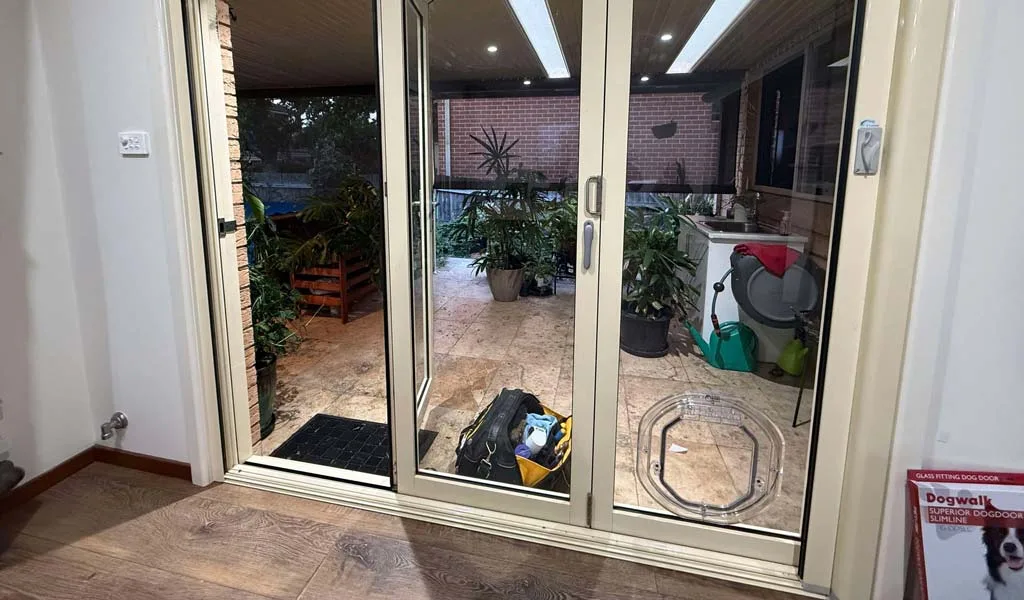
Creating Your Independence Plan
Step 1: Assess Current Situation: Honestly evaluate your pet’s current environment, access to varied spaces, availability of stimulation, signs of distress or frustration, and daily routine and structure. Understanding your starting point helps identify the most impactful changes.
Step 2: Implement Basic Enrichment: Before or alongside pet door installation, ensure your pet has puzzle toys and engaging activities, comfortable resting spots, appropriate social interaction (other pets or scheduled human time), and mental stimulation through training or play.
Step 3: Create Safe Outdoor Access: Evaluate your outdoor spaces for security, consider which areas your pet can safely access, ensure fencing is secure and appropriate, remove hazards and toxic plants, and provide weather protection (shade, shelter) in outdoor areas.
Step 4: Install Appropriate Pet Door: Choose the right pet door type for your needs, microchip models for security and control, appropriate size for your pet(s), and optimal location for safe, convenient access. Professional installation ensures proper function and security.
Step 5: Monitor and Adjust: Watch for changes in your pet’s demeanour, reduced distress or destructive patterns, more relaxed greetings, and improved overall contentment. Adjust programming, access times, or environmental elements based on your pet’s response.
The Transformation: What Pet Owners Report
Pet owners who implement autonomy-focused solutions consistently report remarkable transformations. Pets who once destroyed furniture become calm and content. Anxious, clingy animals develop healthy independence. House-soiling problems disappear when pets can access outdoors at will. The constant worry about rushing home dissolves into confidence that your pet is thriving.
These aren’t minor improvements, they’re fundamental shifts in quality of life for both pets and owners. The investment in proper pet door installation and environmental enrichment pays dividends in reduced stress, improved relationships, and genuine peace of mind.
Your Pet’s Best Life
Is your pet lonely when you’re not home? Maybe. But loneliness isn’t inevitable or unsolvable. When we create environments that support natural instincts, provide choices and autonomy, and allow self-regulation of basic needs, we’re not just reducing loneliness, we’re enabling thriving.
Your pet doesn’t need you to quit your job or never leave the house. They need an environment where they can be confident, engaged, and content in your absence, knowing you’ll return and that they can manage in the meantime.
The guilt you feel leaving them? That’s love. Channel that love into creating systems that truly serve their wellbeing. Sometimes the most loving thing we can do is give our pets the tools for independence, because independence isn’t the opposite of love, it’s the foundation of secure attachment.
Ready to give your pet the gift of autonomy and environmental richness?
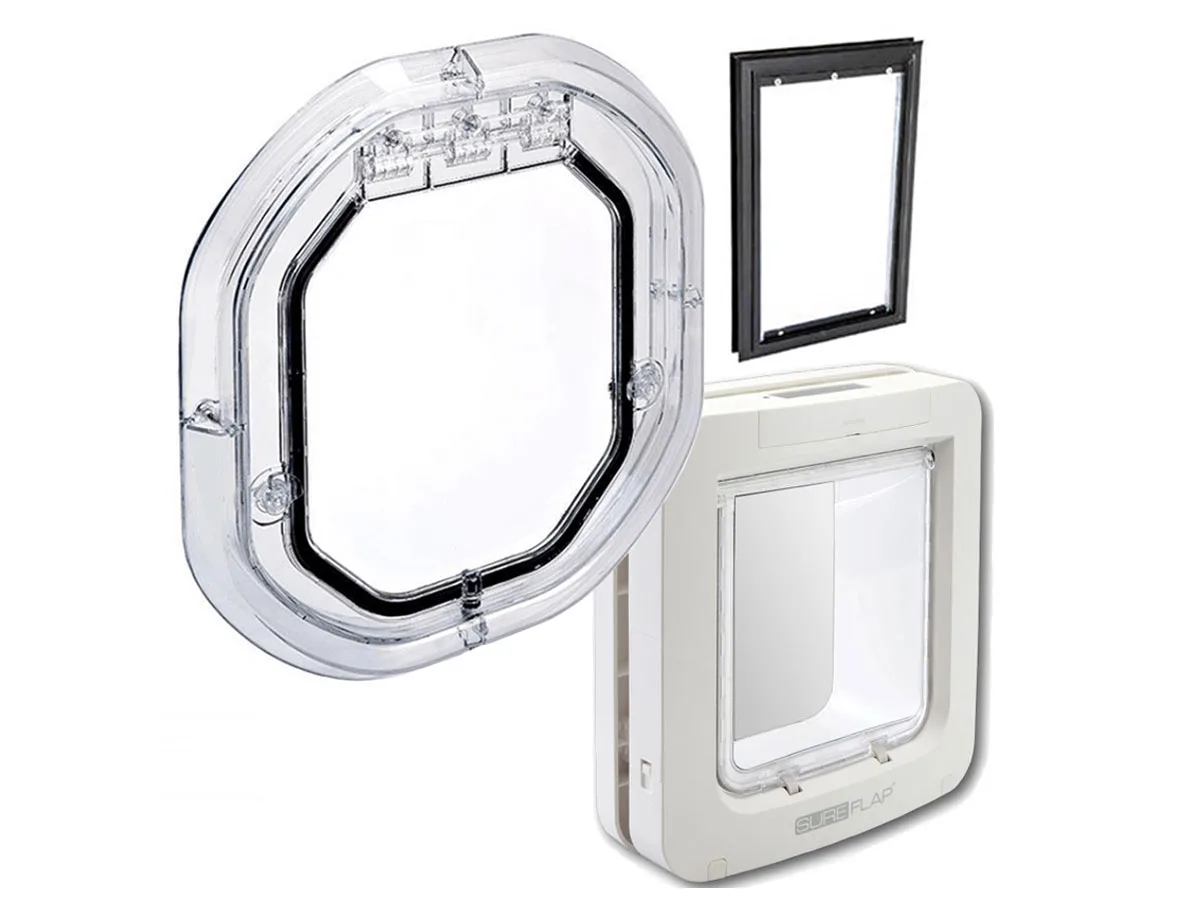
✨ Contact Sydney Paws Petdoor today to discuss dog & cat door solutions that will transform your pet’s experience when you’re away. Our expert consultation and professional installation ensure both you and your beloved companion can enjoy peace of mind, independence, and the confidence that comes from meeting needs rather than managing guilt. We also offer cat & dog door training.
FAQs – Pet Loneliness and Independence
How do I know if my pet is lonely or just has separation anxiety?
Separation anxiety involves panic symptoms like destructive escape attempts, self-harm, refusal to eat, and extreme distress visible on cameras. Loneliness typically manifests as depression, reduced activity, or attention-seeking without panic. If symptoms are severe or include self-harm, consult your veterinarian. Many pets experience both, and environmental enrichment helps regardless of the primary issue.
Will a pet door actually help with my dog’s destructive chewing?
If the destructive activity stems from boredom, frustration, or the stress of confinement, outdoor access typically provides significant improvement. Pets can expend energy, seek stimulation, and meet bathroom needs independently, addressing root causes of many destructive patterns. However, if destruction continues despite enrichment, consult a professional trainer or behaviourist.
Is it safe to give my cat outdoor access while I’m at work?
With proper precautions, yes. Microchip cat doors ensure only your cat can enter and exit, preventing other animals from accessing your home. Outdoor spaces should be secure (enclosed yards, catios, or supervised areas). Programme access for daylight hours only, keeping cats safely inside overnight. Many cats thrive with controlled outdoor access, showing reduced stress and improved wellbeing.
Won’t giving my pet more independence make them love me less?
Absolutely not. Secure, independent pets form stronger, healthier attachments than anxious, dependent ones. Your pet won’t love you less because they can meet their own needs, they’ll associate you with positive experiences rather than restriction and frustration. Healthy independence strengthens bonds rather than weakening them.
How long before I see improvements in my pet’s mood and actions?
Most pet owners notice initial changes within 1-2 weeks of implementing increased autonomy and environmental enrichment, with significant improvements typically visible within 4-6 weeks. The timeline varies based on individual pets and severity of previous distress. Consistency is crucial, pets need time to learn they can trust their new freedom and resources will remain available.