

Why Your Pet’s “Bad” Behaviour Might Just Be Pent-Up Energy
Your dog is chewing through yet another cushion. Your cat is zooming around the house at 3 AM, knocking things off shelves with apparent glee. You’ve tried training, you’ve tried ignoring it, you’ve even consulted Dr. Google at midnight in desperation. But here’s the truth that many pet owners overlook: the solution to many behavioural problems isn’t more discipline, it’s more exercise.
The connection between physical activity and pet behaviour is one of the most powerful yet underutilised tools in every pet parent’s arsenal. Whether you’re dealing with a hyperactive Border Collie who treats your furniture like an obstacle course or an indoor cat who’s turned your curtains into a climbing wall, understanding this fundamental link can transform your relationship with your furry companion.
This isn’t about running your pet into exhaustion or spending hours at the dog park every day. It’s about recognising that our domesticated friends have the same biological drives and energy needs as their wild ancestors, and when those needs go unmet, the results manifest in ways we label as “bad behaviour.” The good news? Once you understand the connection, the solutions become surprisingly straightforward.
Understanding the Exercise-Behaviour Connection
The Science Behind Movement and Mood
Exercise isn’t just physical activity, it’s a complex neurological event that affects your pet’s brain chemistry in profound ways. When dogs and cats engage in physical activity, their bodies release endorphins, the same “feel-good” hormones that create a runner’s high in humans. These natural chemicals reduce stress, alleviate anxiety, and create a sense of calm satisfaction that can last for hours after the activity ends.
Beyond endorphins, exercise regulates cortisol levels, the stress hormone that, when chronically elevated, leads to anxiety-driven behaviours like excessive barking, destructive chewing, or aggressive responses to minor triggers. Regular physical activity helps maintain healthy cortisol levels, creating a more balanced, emotionally stable pet.
The mental benefits extend even further. Exercise increases blood flow to the brain, promoting neuroplasticity and cognitive function. This is why well-exercised pets often learn faster and retain training better than their sedentary counterparts. Physical activity literally creates a better learning environment in your pet’s brain.
Energy Accumulation: The Root of Many Problems
Think of your pet’s energy like water filling a bucket. Throughout the day, that bucket fills naturally through rest, food, and their body’s basic metabolic processes. If there’s no outlet, no way to empty that bucket through physical activity, it eventually overflows into behaviours that frustrate and exhaust pet owners.
For dogs, this overflow manifests in jumping on guests, excessive barking at every sound, destructive chewing, inability to settle, leash pulling and hyperactivity during walks, attention-seeking behaviours at inappropriate times, and even aggression toward other animals or people. These aren’t signs of a “bad dog”, they’re symptoms of unexpended energy seeking any available release.
Cats, despite their reputation for laziness, experience similar energy accumulation. Indoor cats particularly struggle with this, as their natural hunting instincts and territorial behaviours have nowhere to go. The result? Night-time zoomies that disrupt your sleep, aggressive play that involves scratching and biting, destructive behaviour like clawing furniture or knocking objects off surfaces, excessive vocalisation, stress-related behaviours like over-grooming, and redirected aggression toward other pets or family members.
The Breed and Age Factor
Not all pets have identical exercise needs, and understanding your specific animal’s requirements is crucial for addressing behavioural issues effectively.
High-energy dog breeds like Border Collies, Australian Shepherds, Jack Russell Terriers, and Vizslas were bred for demanding physical work. These dogs require substantial daily exercise, often 90 minutes or more, and without it, behaviour problems are virtually guaranteed. Their intelligence compounds the issue; mentally under-stimulated working breeds often develop obsessive behaviours or find creative (and destructive) ways to entertain themselves.
Moderate-energy breeds like Labrador Retrievers, Golden Retrievers, and Beagles need consistent daily activity of 60-90 minutes. While more forgiving than high-energy breeds, they’ll still develop behaviour issues if exercise becomes inconsistent or insufficient.
Even lower-energy breeds benefit enormously from regular activity. Bulldogs, Basset Hounds, and similar breeds may not need marathon exercise sessions, but daily moderate activity prevents obesity-related health issues and maintains mental wellbeing.
For cats, breed matters less than individual personality and lifestyle. However, certain breeds like Bengals, Abyssinians, and Siamese are notably high-energy and require extensive play and activity opportunities. Indoor-only cats universally need structured exercise and environmental enrichment to prevent behavioural problems.
Age plays an equally important role. Puppies and kittens have tremendous energy but limited stamina; they need frequent, shorter activity sessions throughout the day. Adult pets in their prime require the most consistent, substantial exercise. Senior pets still need regular activity, but intensity should be adjusted for ageing joints and reduced stamina.
How Exercise Transforms Specific Behaviours
Anxiety and Stress Reduction
Anxiety is one of the most common behavioural issues in both dogs and cats, manifesting in numerous distressing ways. For dogs, separation anxiety leads to destructive behaviour when left alone, excessive barking or howling, house soiling despite being trained, and escape attempts. Exercise is remarkably effective at reducing these symptoms.
A well-exercised dog is a tired dog, and tired dogs sleep through much of the time alone rather than pacing and panicking. The neurochemical changes triggered by exercise create a calmer baseline emotional state, making pets more resilient to stressors. Morning exercise before you leave for work is particularly effective, as it depletes energy reserves and triggers the natural rest cycle that follows physical exertion.
Cats experience anxiety differently but equally intensely. Stressed cats may hide excessively, refuse to use litter boxes, over-groom to the point of creating bald patches, or display aggression toward family members. Interactive play that mimics hunting, chase, pounce, capture, addresses the root biological needs that, when unmet, manifest as anxiety. Regular, vigorous play sessions help indoor cats feel like they’re fulfilling their natural predatory role, reducing stress-driven behaviours significantly.
Destructive Behaviour Prevention
Destructive behaviour is almost always an energy outlet problem. Dogs don’t chew your favourite shoes out of spite; they do it because chewing is a natural stress-relief mechanism and energy release, and your shoes are conveniently available and smell like you (which is comforting).
Adequate exercise addresses destructive behaviour by depleting physical energy that would otherwise fuel destructive activities, providing appropriate outlets for natural behaviours like chewing and digging, reducing boredom that leads to furniture-destroying creativity, and promoting rest and sleep during times when you need your pet calm.

For cats, destructive scratching of furniture, aggressive attacks on moving feet under blankets, and systematic destruction of houseplants typically stem from inadequate physical and mental stimulation. A cat who has engaged in vigorous play sessions that allow them to stalk, chase, and “kill” their prey (toys) is significantly less likely to redirect that energy toward your belongings.
Hyperactivity and Attention-Seeking
The dog who can’t settle, constantly demands attention, interrupts every activity, and seems to vibrate with excess energy is usually suffering from inadequate exercise. Many pet owners mistake this for personality when it’s actually a symptom of unmet needs.
Sufficient exercise creates natural calm periods where pets can relax without constant stimulation-seeking. This isn’t about suppressing your pet’s personality; it’s about allowing them to access their calm, content state rather than remaining trapped in a cycle of frustrated energy.
Cats displaying 3 AM zoomies, attacking their owners’ feet while they sleep, or constantly knocking objects off counters for attention are exhibiting classic symptoms of insufficient activity. These behaviours typically vanish or dramatically decrease when cats receive adequate interactive play, especially in the evening before their natural nocturnal activity period.
Aggression Management
While aggression can have multiple causes including fear, territoriality, and medical issues, inadequate exercise is a significant contributing factor that’s often overlooked. High-energy dogs without sufficient outlets can develop frustrated aggression, displaying irritability and overreaction to minor triggers, poor impulse control during interactions with other dogs, and redirected aggression when they can’t reach the source of their frustration.
Exercise improves impulse control by teaching delayed gratification and focus. A tired dog has less energy to fuel aggressive responses and greater capacity for self-regulation. This doesn’t replace proper behaviour modification training, but it creates the baseline conditions where training can actually be effective.
For cats, exercise reduces territorial aggression between household pets and redirected aggression toward owners. Play sessions that thoroughly tire cats out create satisfaction and contentment that replaces the tension driving aggressive interactions.
Creating Effective Exercise Routines
For Dogs: Beyond the Daily Walk
While walks are valuable, they’re often insufficient for meeting a dog’s exercise needs, especially for higher-energy breeds. A 20-minute neighbourhood stroll provides mental stimulation through sniffing and exploration, but may not adequately deplete physical energy.
Effective canine exercise includes varied intensity levels. High-intensity activities like fetch, running, swimming, or agility training provide cardiovascular benefits and energy depletion. Moderate activities like longer walks, hiking, or play with other dogs offer endurance building. Low-intensity activities such as sniffing walks where your dog leads provide crucial mental stimulation without physical exhaustion.
Mental exercise is equally important. Training sessions, puzzle toys, scent work games, and novel environments tire dogs’ brains as effectively as physical activity tires their bodies. A mentally exhausted dog is often calmer than one who has only exercised physically.
The ideal routine combines these elements: morning physical activity to start the day calm, midday mental stimulation through puzzles or training, and evening exercise followed by calm settling time before bed.
For Cats: Engaging the Inner Hunter
Cat exercise looks fundamentally different from dog exercise, as it must engage hunting instincts to be truly satisfying. Cats are sprinters, not marathon runners; they need short, intense bursts of activity that mimic stalking and capturing prey.
Effective feline exercise includes interactive wand toys that allow stalking and pouncing behaviour, laser pointers (always ending with a physical toy they can catch), motorised toys that move unpredictably, and vertical space for climbing and jumping. Sessions should be 10-15 minutes of intense activity, repeated 2-3 times daily.
Crucially, cats need to “catch” their prey. Play sessions should end with your cat successfully capturing a toy, followed immediately by a small treat. This sequence, hunt, catch, eat, fulfils the natural predatory cycle and provides deep satisfaction that prevents frustration-driven behaviours.
The Role of Outdoor Access in Behavioural Health
While structured exercise through walks and play is essential, independent outdoor access provides benefits that scheduled activities alone cannot match. This is where the conversation about pet doors becomes not just about convenience, but about fundamental behavioural health.
Self-Regulated Activity: Meeting Individual Needs
Every pet has unique energy patterns. Some dogs want intense activity in the morning, while others prefer evening exercise. Some cats are crepuscular (most active at dawn and dusk), while others have different activity patterns. When pets depend entirely on human schedules for outdoor access, their natural rhythms are constantly frustrated.
Pet doors allow self-regulated activity where pets can access outdoor spaces when their individual energy peaks, take multiple shorter activity sessions rather than one long forced session, and respond to their body’s needs rather than waiting for human availability. This autonomy dramatically reduces frustration-driven behaviours.
Environmental Enrichment and Mental Stimulation
Outdoor environments provide sensory experiences impossible to replicate indoors. Different smells, sounds, textures, weather conditions, and moving elements create rich, constantly changing stimulation that keeps minds engaged and prevents boredom.
For dogs, even access to a small backyard provides opportunities to patrol territory, investigate scents, watch passing birds and squirrels, experience weather changes, and engage in natural digging or exploring behaviours in appropriate spaces.
For cats, safe outdoor access, whether through enclosed patios, catios, or secure yards, offers bird watching, insect chasing, sunshine basking, grass chewing (aids digestion), and climbing opportunities that are invaluable for mental health. Indoor-only cats often develop behaviour problems simply from sensory deprivation, regardless of how many toys they have.
Stress Relief Through Choice
Control is a powerful stress-reduction tool for animals. Pets forced to remain in single environments without choice often develop anxiety, even in comfortable homes. The ability to choose between indoor and outdoor spaces based on mood, temperature preference, or stimulation needs provides psychological benefits that impact behaviour significantly.
A cat who feels too stimulated by household activity can retreat outside for quiet time. A dog who wants to patrol their territory after hearing neighbourhood noises can do so without requiring human intervention. This self-directed stress management prevents anxiety accumulation that manifests as behavioural problems.
Pet Door Solutions for Behavioural Health
Understanding the exercise-behaviour connection makes pet doors not a luxury but a behavioural health tool. The right pet door enables the consistent outdoor access that prevents many behaviour problems from developing.
For Dogs: Independence and Routine
Dog doors address numerous behavioural challenges by providing bathroom access that prevents house-soiling accidents and associated anxiety, energy outlets during the day when owners are working or busy, territory patrol opportunities that reduce alert barking, and yard play that supplements structured exercise.
Microchip dog doors offer programmable access, allowing you to provide daytime freedom while ensuring your dog is safely indoors during evening or overnight hours. This controlled independence gives dogs the autonomy that reduces frustration while maintaining the structure they need.
For Cat Doors: Safe Exploration
Indoor-only cats often develop behavioural issues from insufficient stimulation and exercise. Cat doors enabling access to secure outdoor spaces, catios, enclosed yards, or supervised outdoor areas, transform indoor cats’ behavioural health.
Microchip cat doors ensure only your cat can enter, preventing neighbourhood cats from intruding (a major stress source for indoor cats). Programmable features allow outdoor access during safe daylight hours while keeping cats secure overnight when wildlife and vehicle traffic pose greater risks.
For multi-cat households, selective entry microchip cat doors can even manage territory between cats, reducing inter-cat aggression by providing escape routes and separate spaces.
Installation Considerations for Behavioural Success
Location Matters
Pet door placement impacts how effectively it addresses behavioural needs. For dogs, position doors with direct backyard access for bathroom reliability and away from street-facing areas that might encourage escape attempts or excessive alert barking. For cats, install where they can access safe outdoor spaces and near favourite indoor areas to encourage use.
Size and Type Selection
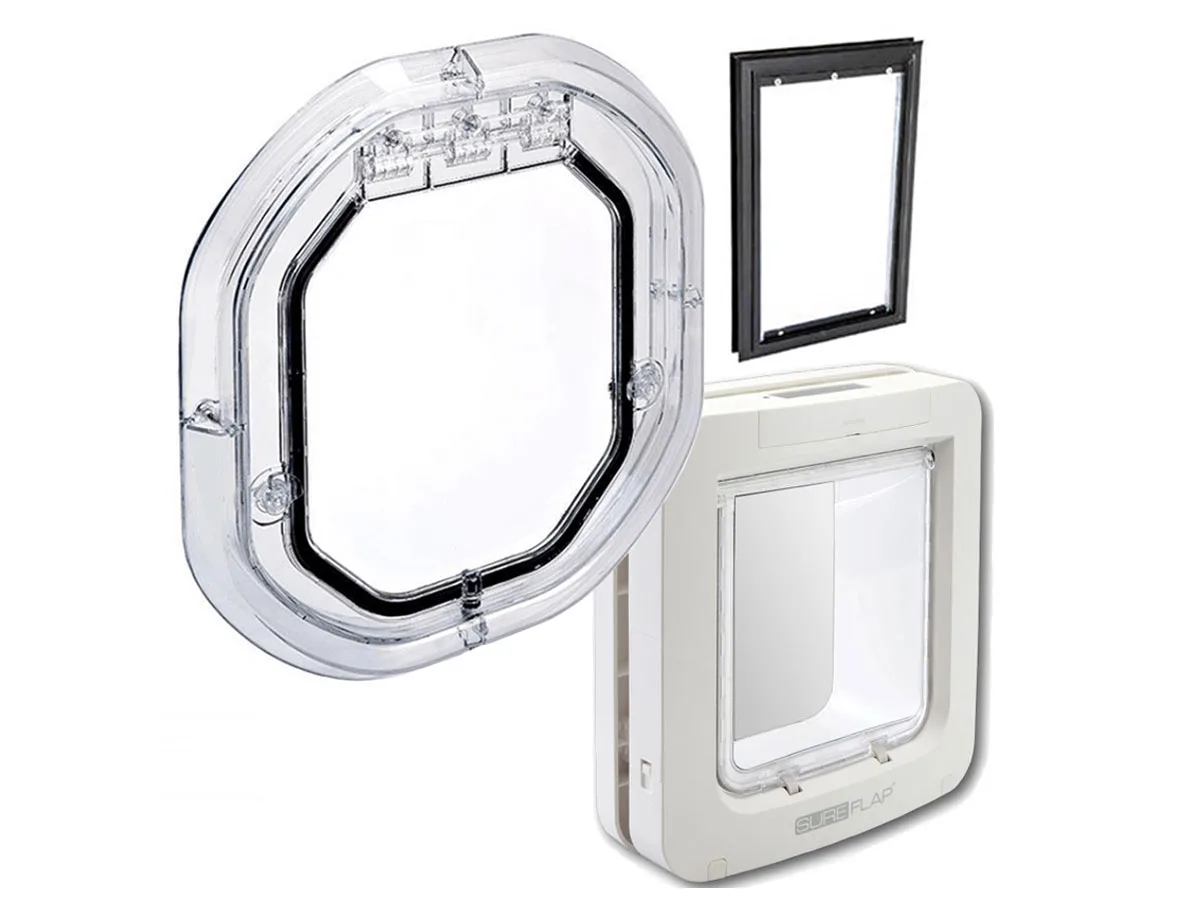
Choosing the right pet door size and type ensures your pet will actually use it. Doors too small feel restrictive; doors too large can be intimidating. Transparent or semi-transparent flaps help nervous pets see through before committing to passage. Quiet operation is crucial, as noise-sensitive pets may refuse doors that make startling sounds.
Training and Introduction
Proper introduction ensures pets view their door positively. Use treats and encouragement to build confidence, start with the flap removed or propped open, practice during calm, positive moments rather than when your pet is anxious or demanding, and be patient, some pets adapt immediately while others need several days.
Sydney Paws Petdoor provides comprehensive Pet Door Training & Support with every installation, ensuring your pet quickly becomes comfortable with their new independence.
Beyond the Door: Comprehensive Behavioural Wellness
Pet doors are powerful tools, but they work best as part of a holistic approach to your pet’s behavioural health.
Combining Structured and Free Exercise
Maintain daily walks and play sessions even with pet door access. The bonding, training, and focused attention these activities provide complement the independent exercise opportunities pet doors enable. Your relationship with your pet benefits from both quality time together and healthy independence.
Environmental Safety
Ensure outdoor spaces are secure, free from toxic plants or substances, and appropriately sized for your pet’s needs. Regularly inspect fencing, remove hazards, and provide shade and water for pets using outdoor access.
Monitoring Behavioural Changes
Track whether behavioural issues improve after implementing increased exercise and outdoor access. Most pet owners notice significant changes within 2-4 weeks. If problems persist despite adequate exercise, consult with a veterinarian to rule out medical issues or a certified animal behaviourist for professional guidance.
The Transformation: Real Results
Pet owners who address the exercise-behaviour connection consistently report transformative results. Dogs who once destroyed furniture become calm household members. Cats who attacked their owners’ feet at night sleep peacefully through the evening. Anxious, stressed pets become confident and content.
This isn’t magic, it’s simply meeting fundamental biological needs that modern indoor living often neglects. When we provide pets with adequate physical activity, mental stimulation, and the autonomy to self-regulate their environment, we’re not indulging them; we’re ensuring their psychological health.
The investment in proper exercise solutions, including quality pet doors that enable consistent outdoor access, pays dividends in reduced veterinary costs for anxiety medications and behaviour consultations, preservation of furniture and belongings, improved relationships between pets and family members, and enhanced quality of life for both pets and owners.
Creating Your Action Plan
If you’re struggling with your pet’s behaviour, start by honestly assessing their current exercise levels. Are they getting adequate physical activity matched to their breed, age, and energy level? Do they have sufficient mental stimulation? Can they self-regulate their environment, or are they entirely dependent on your schedule?
Increase structured exercise gradually, add interactive play sessions, provide puzzle toys and enrichment, and consider how pet door access might address your specific behavioural challenges.
Remember, behaviour change takes time. Consistency is more important than intensity. Regular, daily exercise is infinitely more effective than occasional marathon sessions. The goal isn’t exhausting your pet into submission but creating sustainable routines that meet their needs while fitting into your lifestyle.
Your Path Forward
Understanding the link between exercise and behaviour is the first step. Implementing solutions that address this connection transforms your experience as a pet owner. Whether you’re dealing with destructive behaviour, anxiety, hyperactivity, or aggression, adequate exercise and autonomous outdoor access are often the missing pieces in the puzzle.
Ready to give your pet the behavioural health benefits of independent outdoor access?
✨ Contact Sydney Paws Petdoor today to discuss pet door solutions that will transform your pet’s behaviour and your peace of mind. Our expert consultation and professional installation ensure both you and your furry companion can enjoy the benefits of healthy exercise routines and environmental autonomy.
FAQs – Exercise and Pet Behaviour
How much exercise does my dog actually need daily?
Exercise needs vary by breed, age, and individual energy levels. High-energy breeds typically need 90+ minutes daily of varied-intensity activity. Moderate breeds usually require 60-90 minutes, while lower-energy breeds benefit from 30-60 minutes. Mental stimulation through training and puzzle toys also counts, and can be as tiring as physical exercise.
My cat seems lazy, do indoor cats really need structured exercise?
Yes. Cats are crepuscular predators with significant exercise needs that indoor environments often fail to meet. Indoor-only cats generally need 20-30 minutes of interactive play daily, split into 2-3 sessions. “Lazy” behaviour can sometimes be a sign of under-stimulation, and consistent play often improves behaviour and overall wellbeing.
Will a pet door really improve my pet’s behaviour problems?
Pet doors can help with behaviour issues linked to insufficient exercise, lack of autonomy, and environmental restriction. Problems like destructive chewing, excessive barking, house soiling, hyperactivity, and anxiety often improve when pets can self-regulate outdoor access. For best results, pair a pet door with structured exercise, consistent training, and checks for any underlying medical issues.
Is it safe to give my cat outdoor access through a pet door?
With the right precautions, yes. Microchip cat doors help ensure only your cat can enter or exit, and programmable settings allow safer access windows (for example, daytime access while keeping cats secure overnight). Outdoor areas should be secure (enclosed yards, catios) or supervised. Many behaviour professionals recommend safe outdoor access for indoor cats’ mental health.
How long before I see behavioural improvements from increased exercise?
Most owners notice early improvements within 1-2 weeks of consistent exercise increases, with more significant changes often seen within 4-6 weeks. Consistency matters, sporadic exercise rarely creates lasting change. If behaviour hasn’t improved after 6-8 weeks of appropriate exercise and routine, speak with a veterinarian to rule out medical causes, or a qualified behaviour professional for a targeted plan.